

Maximizing Airbnb Tax Deductions in 2026: A Host's Guide
Disclaimer: I am an experienced host, not a CPA. This information is for educational purposes only. Always consult a tax professional.
The biggest advantage of real estate investing is the tax code. If you are operating your Airbnb correctly, you can legally wipe out a significant portion of your taxable income through deductions.
The "Ordinary and Necessary" Rule
The IRS allows you to deduct expenses that are common and accepted in your business (ordinary) and helpful/appropriate for your business (necessary).
Top 10 Deductions Hosts Miss
-
Platform Service Fees: Airbnb charges hosts ~3%. This is a direct business expense. If you grossed $50k, that's $1,500 in deductions right there.
-
Streaming Subscriptions: Do you provide Netflix, Hulu, or Disney+ for guests? That bill is 100% deductible.
-
Cleaning & Laundry: Even if you charge a cleaning fee, the money you pay the cleaner (and for detergents) is an expense.
-
Supplies & Consumables: Everything from the welcome wine bottle to the toilet paper is a write-off.
-
Home Office Deduction: If you manage your listings from a dedicated space in your home, you may calculate a portion of your home expenses (rent, utilities) as a business cost.
-
Education & Research: Bought a course on hosting? Purchased this ebook? Traveled to a seminar? All deductible.
-
Software: Pricing tools (PriceLabs), channel managers (Hostaway), and accounting software.
-
Depreciation (The Big One): You can depreciate the value of the building (not land) over 27.5 years. This is a "phantom expense" that saves you cash without costing you cash flow.
Warning: Depreciation recapture applies when you sell. Talk to a CPA.
-
Furniture & Appliances: Under Section 179 or Bonus Depreciation, you might be able to deduct the entire cost of that new sofa in year one, rather than over several years.
-
Merchant Processing Fees: If you take direct bookings via Stripe/PayPal, those 2.9% fees add up.
The 14-Day Rule (Masters Exception)
Also known as the "Augusta Rule." If you rent your personal residence for 14 days or less per year, you do not have to report the income to the IRS. Yes, it's tax-free. But you also cannot claim rental expense deductions.
Keep Immaculate Records
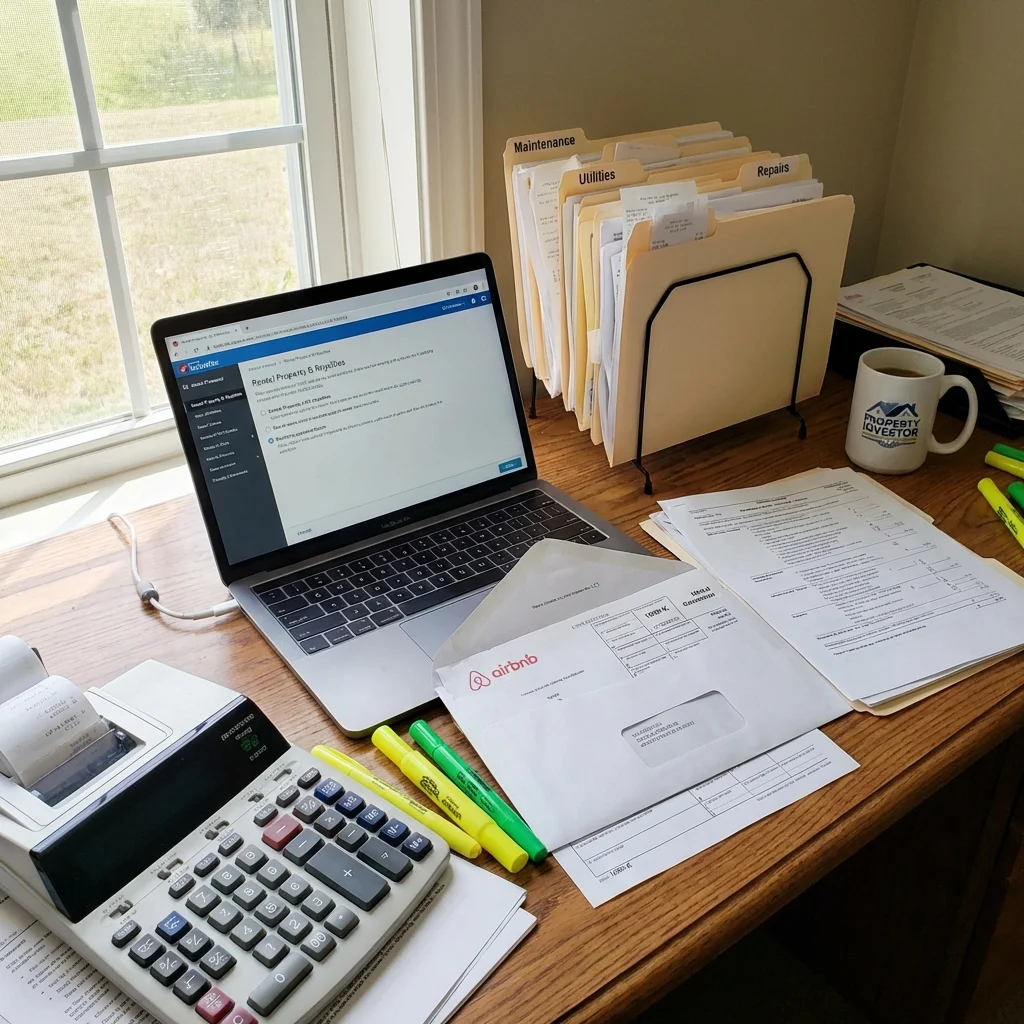
In an audit, bank statements aren't enough. You need receipts. I recommend digital scanning apps to keep everything in the cloud.
Related Finance Guides
For a complete picture of Airbnb finances, see my tax guide, expense tracking spreadsheet, and host fee breakdown.